

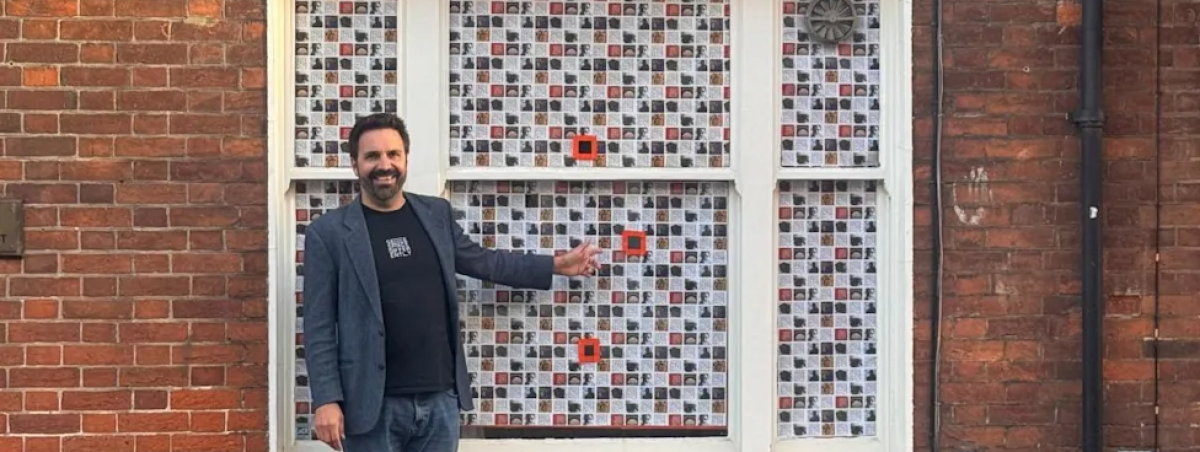
Scrace + Architects is relocating to a shared studio with See Space Differently CIC at 65 New Street, Salisbury, a move that matters to building and architecture professionals because it places architectural and property development advisory services directly on a high street rather than behind a conventional office front, a co-location model small practices are increasingly testing to generate leads. The project is supported by the UK Shared Prosperity Fund.
Scrace + Architects is a Salisbury-based architecture practice founded by Tim Scrace, offering architectural, property and development advisory services across residential, rural and listed building projects.
See Space Differently is a Community Interest Company, founded by Scrace + Architects following its IGNITE initiative, connecting people, ideas, places and opportunities across Salisbury.
The studio will give property owners, businesses and organisations a place to discuss the potential of buildings, sites and ideas, alongside events, workshops and exhibitions, and is expected to open in October.
The structural driver is small architecture practices experimenting with high street visibility as a direct route to commissions, rather than relying solely on referrals or digital marketing, at a point when town centre vacancy gives practices access to prominent, affordable premises.
For the sector, the timing matters because this follows eight years of prior community-facing work through Scrace + Architects' IGNITE initiative, showing the studio is a planned next step in an established local strategy rather than an opportunistic one-off relocation.
Pairing an architecture practice directly with a Community Interest Company inside the same premises blurs the line between commercial advisory work and community placemaking, a structure that could widen the pool of small commissions, from single-building retrofits to public realm ideas, a conventional studio would not otherwise see.
The broader implication for the sector is that UK Shared Prosperity Fund-backed creative and enterprise hubs are becoming a route through which small architecture practices access town centre premises and direct public engagement, a model other high streets with similar vacancy pressure may see replicated.
Source: Salisbury Journal / Yahoo News UK







.png)

