

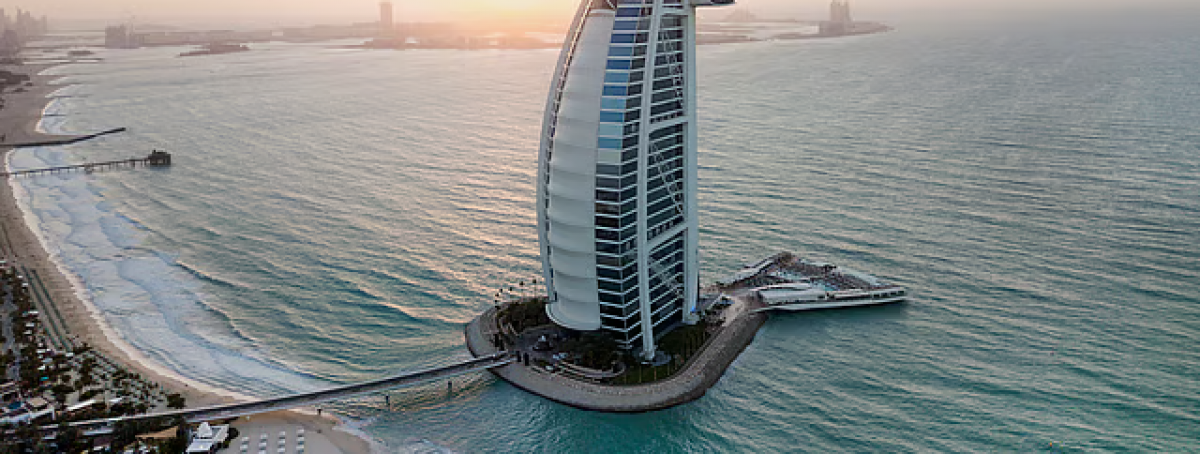
Dubai-based Jumeirah Group has announced an 18-month phased restoration of the Burj Al Arab, marking the first major refurbishment of the landmark property since its opening in 1999.
Gulf News reported that the sail-shaped hotel will be fully closed during the restoration period, with works focused on conserving and enhancing its interior architecture while maintaining its defining structural identity.
The project forms part of a broader heritage preservation approach aimed at sustaining high-value hospitality assets while ensuring long-term operational and architectural relevance.
The restoration will be led by French interior architect Tristan Auer, who has previously worked on high-profile heritage refurbishments including Hôtel de Crillon in Paris, bringing experience in adaptive restoration of landmark buildings.
Thomas B. Meier, chief executive of Jumeirah Group, said: “Jumeirah Burj Al Arab is far more than an architectural landmark; it is a symbol of ambition, craftsmanship and enduring excellence.”
He added: “This restoration programme marks a new chapter in the story of Jumeirah Burj Al Arab.”
The hotel currently features 198 luxury suites and is widely recognised for its distinctive architecture, high-end interior finishes and role in establishing Dubai’s ultra-luxury hospitality segment.
Architect Tristan Auer said: “To carry forward, with the utmost dedication, the legacy of such an extraordinary landmark is both an honour and a responsibility.”
From a building and architecture perspective, the restoration highlights the increasing importance of lifecycle refurbishment strategies for iconic structures, combining preservation of original design intent with modernised building systems and materials.
The initiative also reflects Dubai’s wider approach to maintaining architectural landmarks as functional assets within its evolving tourism and hospitality infrastructure.
See the full report on the Burj Al Arab restoration programme, including architectural refurbishment plans, heritage preservation strategy and its impact on Dubai’s luxury hospitality infrastructure.





.png)

