

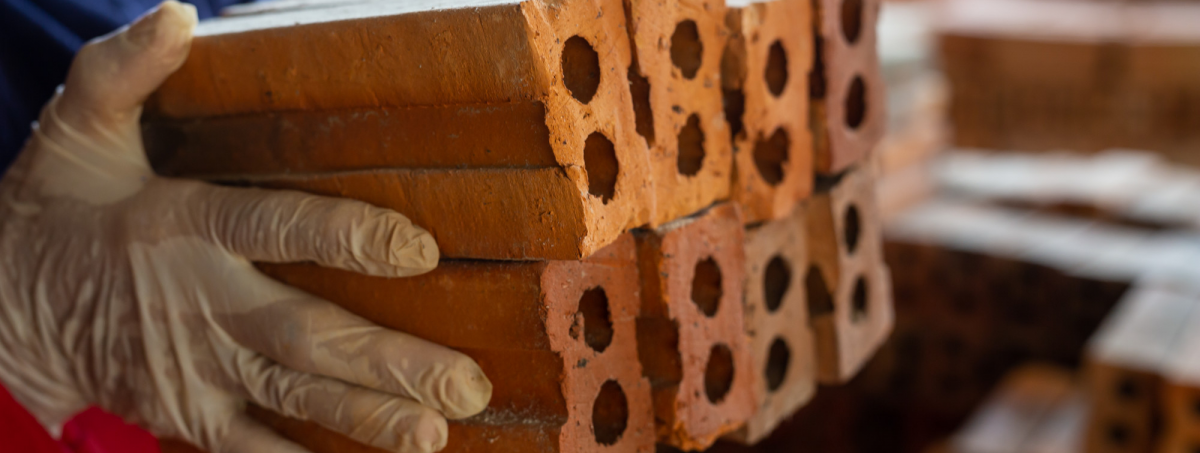
The materials landscape underpinning the built environment is being reshaped by one of the most commercially significant shifts in construction history. A ResearchAndMarkets.com report published in Dublin on 14 August 2026 projects the global carbon-negative building materials market to grow from USD 281.16 million (EUR 257 million) in 2026 to USD 1.62 billion (EUR 1.48 billion) by 2040, a 13.37% CAGR. Drivers include decarbonisation targets, demand for sustainable buildings, and carbon capture technology advances. For building and architecture leaders across Ireland and Northern Ireland, specification decisions made today will determine which firms lead as this market moves from emerging to mainstream.
The report identifies architects, designers, construction companies, and developers as the primary end users of carbon-negative materials. For sustainable architecture practices, this is the central specification challenge of the decade ahead. Three dimensions carry particular weight: the pace of regulatory change, the role of certification, and the commercial advantage available to early specifiers.
Government decarbonisation policies and tightening building standards are the primary market accelerant. In Ireland, the Climate Action Plan's mandate for zero-emission new buildings by 2030 and the EPBD's whole-life carbon reporting requirements create direct procurement pressure on every major Irish project. Green building certification programmes including LEED, BREEAM, and IGBC standards are accelerating specification of low and negative-carbon materials. The report notes that collaboration between academic institutions, technology developers, and manufacturers will be essential to commercialisation.
Ireland is directly relevant to this market. The ResearchAndMarkets.com report was issued from Dublin, and the Irish Green Building Council has identified embodied carbon as accounting for 14% of national emissions. The SEAI's EUR 640 million 2026 capital programme creates procurement pathways for carbon-sequestering and bio-based materials in retrofit contexts. Irish firms that develop familiarity with carbon-negative categories now will be specification-ready when procurement mandates formalise, as they inevitably will by the late 2020s.
Three boardroom priorities follow. First, audit current material libraries against the carbon-negative category, identifying substitution opportunities in concrete, insulation, and structural elements where bio-based alternatives are already available. Second, engage with the IGBC's carbon tools and SEAI's embodied carbon methodology to quantify early adoption benefits. Third, treat architectural innovation in materials specification as a business development asset, using carbon performance data to differentiate proposals where sustainability criteria carry significant weighting.
Carbon-negative building materials are transitioning from research to market at pace. Ireland's regulatory commitments, embodied carbon awareness, and proximity to European manufacturing networks place its building sector in a strong position to be an early adopter rather than a late converter. The 13.37% CAGR forecast through 2040 is not a distant projection. It is the trajectory of a market already expanding, and the specification decisions of the next three years will determine which Irish firms lead it.





.png)

